
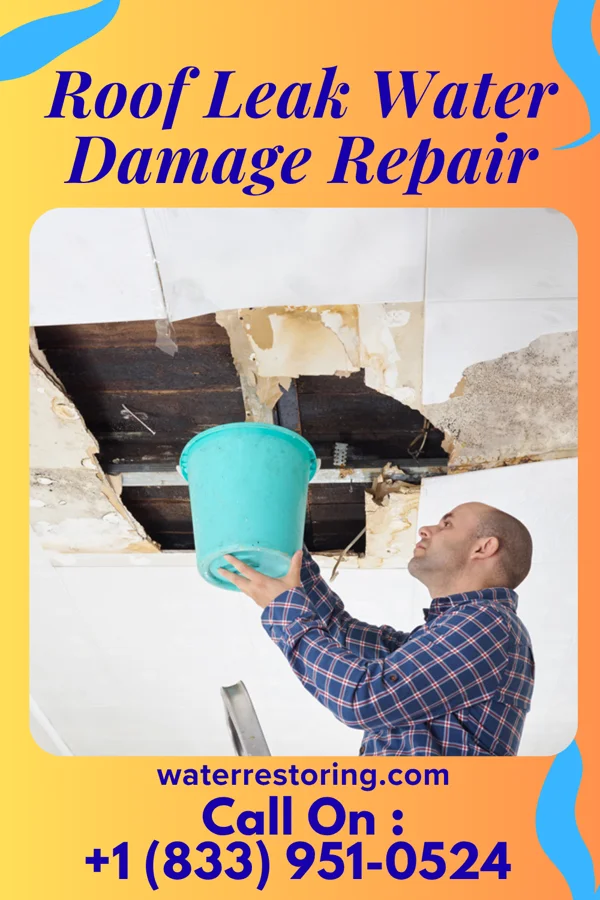
Why Roof Leaks Hit Shrewsbury Hard
The pattern in Shrewsbury is consistent. Shrewsbury experiences frequent spring and summer thunderstorms that can lead to heavy rainfall and strong winds, increasing the risk of roof leaks. The region's proximity to the Susquehanna River means that flash flooding can occur during intense weather events, putting additional stress on roofing systems. drives most of the emergency restoration calls we get. A close second is In the fall, Shrewsbury is prone to prolonged periods of rain and cooler temperatures, which can cause roof materials to expand and contract, leading to potential gaps and leaks. Sudden temperature changes can also contribute to shingle deterioration and water infiltration..
Shrewsbury's climate, characterized by cold winters and warm, humid summers, can cause roofing materials to degrade over time. The combination of freeze-thaw cycles and humidity contributes to long-term structural damage, making timely repairs essential.
Shrewsbury's climate, characterized by cold winters and warm, humid summers, can cause roofing materials to degrade over time. The combination of freeze-thaw cycles and humidity contributes to long-term structural damage, making timely repairs essential. The dominant local driver is Shrewsbury experiences frequent spring and summer thunderstorms that can lead to heavy rainfall and strong winds, increasing the risk of roof leaks. The region's proximity to the Susquehanna River means that flash flooding can occur during intense weather events, putting additional stress on roofing systems., with In the fall, Shrewsbury is prone to prolonged periods of rain and cooler temperatures, which can cause roof materials to expand and contract, leading to potential gaps and leaks. Sudden temperature changes can also contribute to shingle deterioration and water infiltration. showing up as the next most common cause. Damage builds in stages. Spread. Absorption. Microbial growth. Structural compromise. Every stage you pass through adds to the final bill.
For public guidance on the health effects of mold after prolonged water exposure, see the EPA mold and health page.